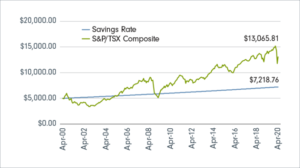
What is personal finance? It’s a question that resonates with many as it holds the key to managing one’s financial future. Personal finance encompasses everything from budgeting and saving to investing and debt management, making it an essential part of our daily lives.
Understanding personal finance not only helps individuals gain control over their money but also paves the way for long-term financial stability and security. By grasping the key components of personal finance, one can navigate the complexities of financial decisions and set a solid foundation for their economic well-being.
Understanding Personal Finance
Personal finance involves managing your money effectively to achieve your financial goals. It’s crucial because it affects every aspect of our daily lives, from our spending habits to long-term savings and investments. By understanding personal finance, individuals can make informed decisions that lead to a more secure financial future.Key components of personal finance include budgeting, saving, investing, and debt management.
Budgeting allows individuals to track their income and expenses, ensuring they live within their means. Saving is essential for creating an emergency fund and achieving short-term and long-term goals. Investing helps grow wealth over time, while debt management focuses on minimizing liabilities and paying off debts responsibly. Understanding these components can significantly influence long-term financial stability and security. By making informed choices in these areas, individuals can build a solid foundation for their financial future.
Finance Basics

Finance basics are fundamental concepts everyone should be familiar with to manage personal finances effectively. These concepts include understanding income, expenses, savings, investments, and debt. To start managing personal finances, individuals should follow these practical steps:
- Set clear financial goals: Determine what you want to achieve financially in the short and long term.
- Create a budget: Track income and expenses to understand spending patterns.
- Build an emergency fund: Aim to save at least three to six months’ worth of expenses.
- Invest wisely: Explore investment options that align with your risk tolerance and financial goals.
- Monitor your financial health regularly: Review your budget and financial progress periodically.
Common financial mistakes include overspending, neglecting to save for retirement, and failing to pay off high-interest debt. Avoiding these pitfalls requires discipline and ongoing education about personal finance.
Finance Professions
Finance professionals play a vital role in navigating the complex world of personal and corporate finance. This category includes financial specialists, financial analysts, accountants, and financial planners.
- Financial analysts evaluate investment opportunities and help clients make informed financial decisions.
- Accountants manage financial records, ensuring accuracy and compliance with regulations.
- Financial planners create comprehensive financial plans to help clients achieve their financial goals.
The importance of finance licenses and certifications cannot be overstated in this industry. Credentials such as Certified Financial Planner (CFP) or Chartered Financial Analyst (CFA) can enhance job prospects and credibility.
Finance Companies
Various types of finance companies offer services that assist individuals in managing their personal finances. These include banks, credit unions, and investment firms.
- Banks provide checking and savings accounts, loans, and mortgages.
- Credit unions offer similar services but often with lower fees and better interest rates.
- Investment firms help individuals invest their money in stocks, bonds, and other securities.
Choosing the right finance company involves assessing factors such as fees, services offered, and alignment with personal financial goals. It’s essential to research and compare options before deciding.
Finance Strategy
Developing a comprehensive financial strategy is crucial for individuals and families. This strategy should include clear financial planning and goal setting.Setting financial goals involves determining what you want to achieve financially, such as saving for a home, retirement, or education. Risk management is also a vital component of personal finance. This involves understanding the types of risks associated with investments and taking steps to mitigate them.Investment strategies should align with individual financial goals, risk tolerance, and market conditions.
Regularly revisiting and adjusting your financial strategy ensures it remains effective over time.
Finance Technology
Finance technology is revolutionizing the way individuals manage their finances. Numerous tools and apps can help simplify budgeting, saving, and investing.Examples of popular finance technology tools include:
- Budgeting apps like Mint or YNAB (You Need A Budget) that track spending and help create budgets.
- Investment platforms like Robinhood or Betterment that allow for easy trading and investment management.
- Personal finance management tools like Personal Capital that provide an overview of all financial accounts.
The transformation brought by technology enhances financial literacy and encourages healthier financial habits. Online resources for learning about personal finance are also readily available, making education accessible to everyone.
Finance Statements and Reports
Financial statements are essential tools in personal finance. They provide insights into an individual’s financial health, including income, expenses, assets, and liabilities.To create a personal finance statement, begin by listing all sources of income and expenses. Regularly analyzing this statement helps individuals track their financial progress and make informed decisions.Effective methodologies for tracking and reporting personal financial health include maintaining a financial journal or using financial software.
These practices ensure accurate records and facilitate easier analysis.
Finance Minister and Policy
The finance minister plays a critical role in shaping national finance policy. This position entails formulating budgets, managing public funds, and implementing economic policies that impact citizens’ financial well-being.Government financial policies directly influence personal finance decisions, such as tax rates, interest rates, and social security programs. Understanding these policies can help individuals make informed financial decisions.Current financial transformations, such as the shift to digital currencies and changes in tax laws, have significant implications for citizens.
Staying informed about these developments is essential for effective personal financial management.
Finance Jobs and Opportunities
The finance sector offers various in-demand jobs that require different qualifications. Popular finance jobs include:
- Financial analyst: Requires strong analytical skills and often a degree in finance or economics.
- Accountant: Typically requires a degree and certification such as CPA (Certified Public Accountant).
- Financial planner: Often requires certification like CFP and knowledge of investment strategies.
Career paths in finance can be diverse, leading to opportunities in investment banking, corporate finance, or personal financial advising. Preparing for interviews in finance involves understanding the industry, honing analytical skills, and demonstrating knowledge of financial concepts.
Final Conclusion
In conclusion, personal finance is more than just managing money; it’s about making informed decisions that shape our financial landscapes. Whether you’re budgeting for your monthly expenses or planning for retirement, understanding personal finance is crucial for achieving your financial goals and securing a prosperous future.
Popular Questions
What are the basic components of personal finance?
The basic components include budgeting, saving, investing, and debt management.
Why is budgeting important?
Budgeting helps track expenses, control spending, and ensure that you are living within your means.
How can I start saving money?
Begin by setting clear savings goals, creating a budget, and automating transfers to your savings account.
What is the difference between saving and investing?
Saving is setting aside money for short-term needs, while investing involves purchasing assets to grow wealth over time.
How can technology help with personal finance?
Technology offers various tools and apps for budgeting, tracking expenses, and automating savings to simplify personal finance management.